Truck Campers Only, w/ an Overland & Off-roading theme

Initially I had hoped to keep the budget at $25k but as I started looking at the latest options the prices rack up fast. I'm not a cheap bastard but I have always tried to maximize my dollar. Seems the options like diesel heaters and AC drive the cost way up and are very disproportionate to the cost of the item say on Amazon. For example a Scout diesel heater is $2500 and an AC unit is $4300. Most diesel heaters on Amazon are sub-$300 and AC is sub-$1500. I guess I don't see the disconnect in pricing for the factory unit. This is why I may consider a used camper just to wet the feet before jumping in the deep end. Or I buy an option stripped unit and add my own amenities. In my mind there has be to a nexus point of at a certain price that I might as well get a tow behind and forego some more remote places (which I understand to be becoming more restrictive west of the Mississippi). Not sure if I'm making sense.
 
Initially I had hoped to keep the budget at $25k but as I started looking at the latest options the prices rack up fast. I'm not a cheap bastard but I have always tried to maximize my dollar. Seems the options like diesel heaters and AC drive the cost way up and are very disproportionate to the cost of the item say on Amazon. For example a Scout diesel heater is $2500 and an AC unit is $4300. Most diesel heaters on Amazon are sub-$300 and AC is sub-$1500. I guess I don't see the disconnect in pricing for the factory unit. This is why I may consider a used camper just to wet the feet before jumping in the deep end. Or I buy an option stripped unit and add my own amenities. In my mind there has be to a nexus point of at a certain price that I might as well get a tow behind and forego some more remote places (which I understand to be becoming more restrictive west of the Mississippi). Not sure if I'm making sense.
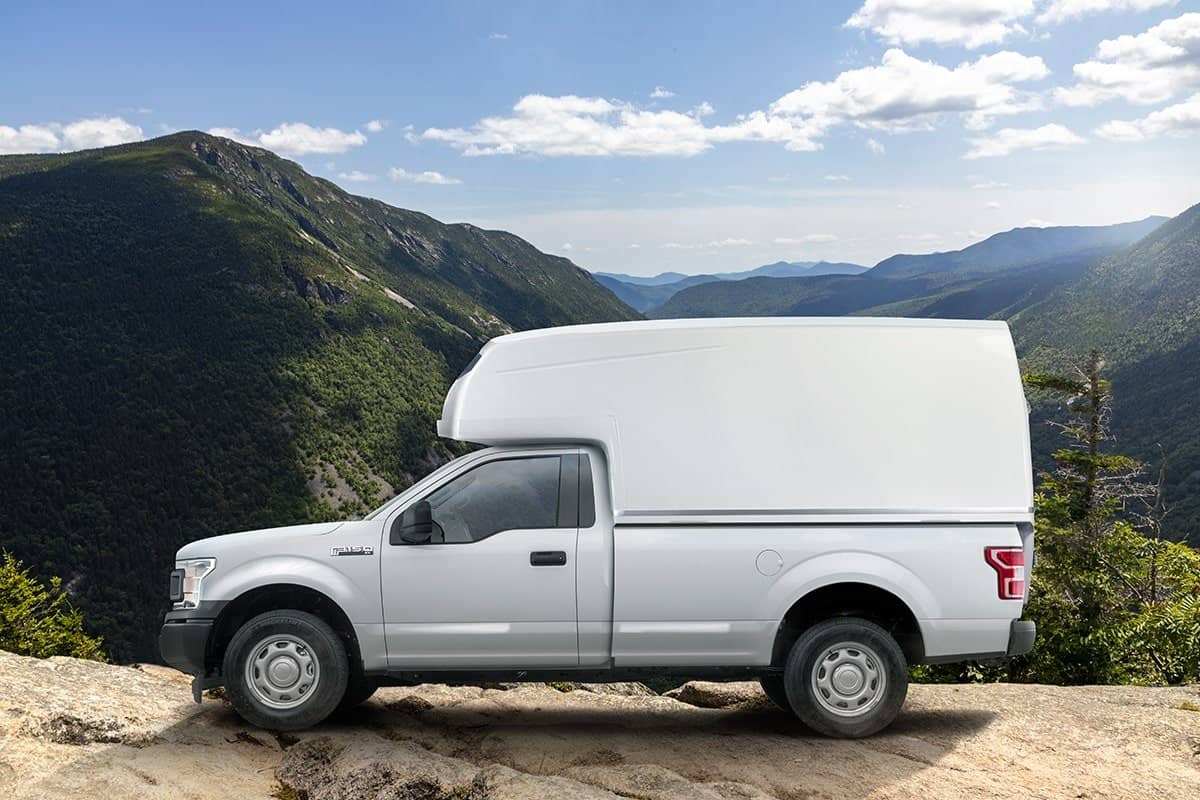
You can buy a shell from
Several companys. FWC, AT Aterra Shell and build your own systems.

For that matter the spacekap Diablo is AWESOME as a camper and there are a number of companies that use that shell as the base and do builds from there. Highly recommend.
 
Last edited:


Last one is an example of a spacekap based camper you could build.

There are quite a few builds with spacekaps on expedition portal. It’s a perfect base to begin and build up.
 
Initially I had hoped to keep the budget at $25k but as I started looking at the latest options the prices rack up fast. I'm not a cheap bastard but I have always tried to maximize my dollar. Seems the options like diesel heaters and AC drive the cost way up and are very disproportionate to the cost of the item say on Amazon. For example a Scout diesel heater is $2500 and an AC unit is $4300. Most diesel heaters on Amazon are sub-$300 and AC is sub-$1500. I guess I don't see the disconnect in pricing for the factory unit. This is why I may consider a used camper just to wet the feet before jumping in the deep end. Or I buy an option stripped unit and add my own amenities. In my mind there has be to a nexus point of at a certain price that I might as well get a tow behind and forego some more remote places (which I understand to be becoming more restrictive west of the Mississippi). Not sure if I'm making sense.

In my opinion, buy an economical used unit to start. Something to get your feet wet, as you say. Because once you start using it, you ARE going to identify a lot of things you wish were different. Don't marry an expensive camper since it's your first. Just date one for a while to know what you want and don't want. Pick any brand that comes up for a reasonable price and get out camping. Be that pop-top or hard sided. Through using it, you (and your wife and kids) will formulate opinions on what options are important, what are only nice to haves, and what you don't want or need. You'll also find that what is important for one user may not be important to you or your family. How you use it, where you use it will both drive what you want in a camper compared to the next guy (including those of us in this thread).

Space in the camper for number of people along, features, on or offroad use case (build quality), which pickup will haul it (weight considerations), temps and humidity of where you camp (read: condensation, heater needs, A/C and vent needs), etc. are hard to evaluate until you are out there using it. And how often you use each option and how often you use the camper as a whole will also influence decisions. There are some options that are very nice to have, but if you only end up using the camper 5 times a year, it's not worth the extra expense. Or a nice option, like A/C, and it turns out you camp 30 times a year but only need the A/C two times a year and that is for a few hours each time, then maybe not worth it. Suffer through a couple hot nights with a fan because an permanently installed A/C will be $2,000 - $5,000 not including upgrading the LiFePO4 battery bank to run it (another couple thousand) and then the means to recharge that huge battery bank (big DC/DC charger, super large solar array and solar controller, etc.)

It's really easy to get caught up in the "romantic notion" of getting out a lot and how you imagine using your rig, but sinking a lot of money in up front is the most likely way to feel you wasted some money, because you don't know what features are worth it for your use case and you may want an entirely different camper in a short period of time. We are on our third slide-in pickup camper in 9 years (had both the first two for almost 4 years each) and finally feel like we have the one that is a keeper long term. And even there, we found a few things we would have changed when we ordered it 1.5 years ago.

I go by the following advice myself for every new hobby we've gotten into over my lifetime (boats, snowmobiles, ATVs, dirtbikes, campers, MTBs, camera equipment, on and on); Buy economical, used versions first to see how much you use it. If you upgrade in a year or two, you've not lost much money because you bought economical/used rather than new. Some one else ate the initial depreciation. I would buy used, upgrade to nicer used a couple times, until I thoroughly figured out exactly what I wanted before I bought a long term item, be that really nice used or buy new. Fewer regrets and less money lost as I learned what how I used the item and what features were important to me (vs. what was important to everyone else for their great, fun-to-drool-over builds). Easy to get caught up in other peoples builds and spend money on something that really isn't something you'll get use out of.

And when you do replace that first economical used camper with your next one, it will be based on your personal real world experience of what works for you and what isn't needed/important to you. And, it's much easier to spend your families money on an upgrade or option when the wife and family have a say and can see the value of certain options/features that might be important to you and/or them after using a camper without those features or having a feature that no one ever uses. To me, that is better than blindly spending a bunch of money on a feature upfront without real world experience to know if it's valuable.
Just my opinion and personal experience for our family.

As for the price differences for some of the equipment you mention, you are likely comparing no-name Chinese brands with high quality name brand heaters and A/C. And then there is also the appropriate wiring, breakers, etc. Typically, camper manufactures charge about double what only the main unit costs. That covers the install labor, misc. parts, and still make a profit. For example, if a name brand inverter costs $600, you'll often see the camper manufacturer charge $1,200 for that option because the parts are probably $800+ once you include the inverter, the large gauge cable required to power them, the cable terminals, big breaker, etc. Then they have the labor to mount the inverter, cut the cable to length, crimp on terminals, mount breaker, etc. So now $200+ dollars of labor associated with all that. So they make $200 off a $1,200 option (which is only about 16.6% of the overall option cost).
That’s super good advice as always.

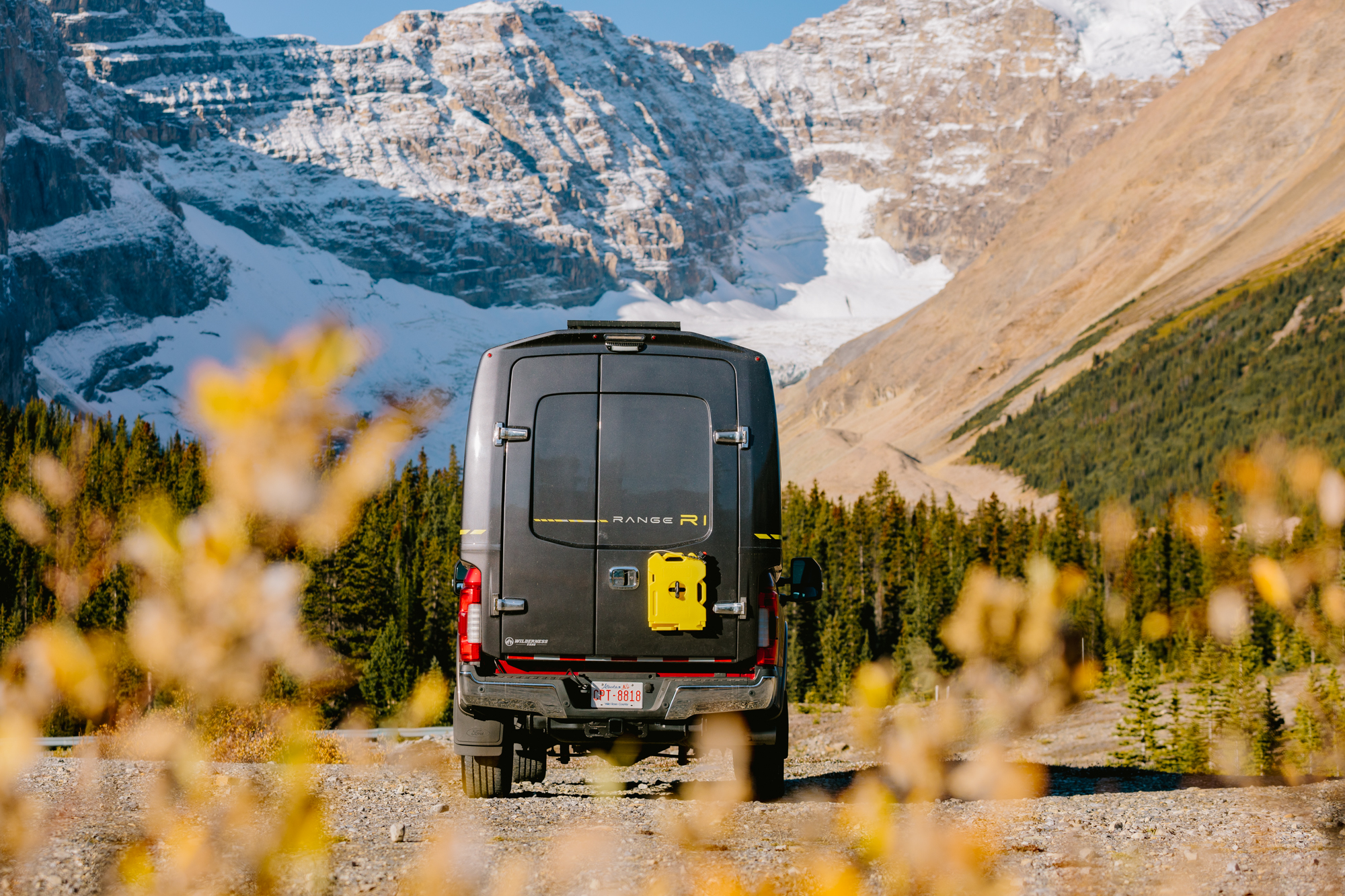
Like you I’ve been through many iterations of “campers”. Started camping in the back of a Jeep XJ, then under the cap on a Powerwagon, then a purpose built Tacoma with Go Fast Camper, then an AluCab Khaya..

IMG_6211.webp

And now this….
 
That’s super good advice as always.

Like you I’ve been through many iterations of “campers”. Started camping in the back of a Jeep XJ, then under the cap on a Powerwagon, then a purpose built Tacoma with Go Fast Camper, then an AluCab Khaya..

View attachment 214838
And now this….
Where'd you get those steps? I'm gonna NEED them soon 🤪.

Edited for @TRAMPER. These damn IPA's jack me up.
 
Last edited:
In my opinion, buy an economical used unit to start. Something to get your feet wet, as you say. Because once you start using it, you ARE going to identify a lot of things you wish were different. Don't marry an expensive camper since it's your first. Just date one for a while to know what you want and don't want. Pick any brand that comes up for a reasonable price and get out camping. Be that pop-top or hard sided. Through using it, you (and your wife and kids) will formulate opinions on what options are important, what are only nice to haves, and what you don't want or need. You'll also find that what is important for one user may not be important to you or your family. How you use it, where you use it will both drive what you want in a camper compared to the next guy (including those of us in this thread).

Space in the camper for number of people along, features, on or offroad use case (build quality), which pickup will haul it (weight considerations), temps and humidity of where you camp (read: condensation, heater needs, A/C and vent needs), etc. are hard to evaluate until you are out there using it. And how often you use each option and how often you use the camper as a whole will also influence decisions. There are some options that are very nice to have, but if you only end up using the camper 5 times a year, it's not worth the extra expense. Or a nice option, like A/C, and it turns out you camp 30 times a year but only need the A/C two times a year and that is for a few hours each time, then maybe not worth it. Suffer through a couple hot nights with a fan because an permanently installed A/C will be $2,000 - $5,000 not including upgrading the LiFePO4 battery bank to run it (another couple thousand) and then the means to recharge that huge battery bank (big DC/DC charger, super large solar array and solar controller, etc.)

It's really easy to get caught up in the "romantic notion" of getting out a lot and how you imagine using your rig, but sinking a lot of money in up front is the most likely way to feel you wasted some money, because you don't know what features are worth it for your use case and you may want an entirely different camper in a short period of time. We are on our third slide-in pickup camper in 9 years (had both the first two for almost 4 years each) and finally feel like we have the one that is a keeper long term. And even there, we found a few things we would have changed when we ordered it 1.5 years ago.

I go by the following advice myself for every new hobby we've gotten into over my lifetime (boats, snowmobiles, ATVs, dirtbikes, campers, MTBs, camera equipment, on and on); Buy economical, used versions first to see how much you use it. If you upgrade in a year or two, you've not lost much money because you bought economical/used rather than new. Some one else ate the initial depreciation. I would buy used, upgrade to nicer used a couple times, until I thoroughly figured out exactly what I wanted before I bought a long term item, be that really nice used or buy new. Fewer regrets and less money lost as I learned what how I used the item and what features were important to me (vs. what was important to everyone else for their great, fun-to-drool-over builds). Easy to get caught up in other peoples builds and spend money on something that really isn't something you'll get use out of.

And when you do replace that first economical used camper with your next one, it will be based on your personal real world experience of what works for you and what isn't needed/important to you. And, it's much easier to spend your families money on an upgrade or option when the wife and family have a say and can see the value of certain options/features that might be important to you and/or them after using a camper without those features or having a feature that no one ever uses. To me, that is better than blindly spending a bunch of money on a feature upfront without real world experience to know if it's valuable.
Just my opinion and personal experience for our family.

As for the price differences for some of the equipment you mention, you are likely comparing no-name Chinese brands with high quality name brand heaters and A/C. And then there is also the appropriate wiring, breakers, etc. Typically, camper manufactures charge about double what only the main unit costs. That covers the install labor, misc. parts, and still make a profit. For example, if a name brand inverter costs $600, you'll often see the camper manufacturer charge $1,200 for that option because the parts are probably $800+ once you include the inverter, the large gauge cable required to power them, the cable terminals, big breaker, etc. Then they have the labor to mount the inverter, cut the cable to length, crimp on terminals, mount breaker, etc. So now $200+ dollars of labor associated with all that. So they make $200 off a $1,200 option (which is only about 16.6% of the overall option cost).
This is great advice. I feel like my romance might be outpacing my needs. Defiantly also going to dig into the shells that Tramper mentioned. I am very much a DIY guy. Might be a great option.
 
Stumbled upon this video and wondering if he's a member on here:

He is not on here. I’ve let him know he should be! He’s in the middle of an extended trip out West!
 
This is great advice. I feel like my romance might be outpacing my needs. Defiantly also going to dig into the shells that Tramper mentioned. I am very much a DIY guy. Might be a great option.
Was just scanning YouTube (Overland Expo) and came across a company called Bison Overland that sells bare slide in shells.
 
He is not on here. I’ve let him know he should be! He’s in the middle of an extended trip out West!
I messaged him as well.

When is the 3x TOTM/TOTY winner doing a video!?
 
Was just scanning YouTube (Overland Expo) and came across a company called Bison Overland that sells bare slide in shells.

Was just scanning YouTube (Overland Expo) and came across a company called Bison Overland that sells bare slide in shells.
@jayPDX @PJPVI I think have Bison’s on here. I know at least one of them had quite a run around getting a camper.
 
Ok I have spent some time reviewing the 104 pages of comments in this thread. Mainly the last 20 pages since they fall into a fairly recent post-covid timespan. My thoughts of buying a SmartCap and minimalist camping in the bed to the truck (maybe even considered adding a RTT) have been evolving. I look at the cost and the cap plus a RTT is going to put me up near $10k all in. One of my concerns was the weight of the SmartCap would likely limit the likelihood of removing and replacing that often and may cause issues with wanting use of my truck bed. I am now starting to lean more towards a truck camper which would allow the wife of kid to tag along (they would certainly not want to sleep under a camper shell and poop in a bucket) if they so choose. These seem more practical in terms of use of loading when you want to use it and offload for the other day-to -day life of the truck and needs. I am very new to the idea and have looked at the Scout and Outpost offerings. Any other offerings? Any basic advice to a newbie? Should I look for a used camper to wet the whistle? Any sage advice would be appreciated.
I currently own a SuperTramp and have owned a FWC. I like having the ability to take it off to use it as truck. Unloading it is fairly easy. Loading it isnt that fun and can be time consuming to get it lined up right, etc. Thus, I don't tend to take it on and off as much as I expected. Laziness is a factor too. The other thing to consider is suspension. If you want to get the suspension to ride right with the camper when off road, then you will need to beef up the shocks and do some other mods as the sway and sag need to be accounted for. If you beef those up and make it ride right with the camper, then it will ride a stiff when unloaded. Either way, theres always a compromise. I added felling wedges under my overload springs when the camper is on and it helps with the sway onroad around corners. Offroad, I still need to do more as uneven terrain will make the camper sway hard side to side.
 
I currently own a SuperTramp and have owned a FWC. I like having the ability to take it off to use it as truck. Unloading it is fairly easy. Loading it isnt that fun and can be time consuming to get it lined up right, etc. Thus, I don't tend to take it on and off as much as I expected. Laziness is a factor too. The other thing to consider is suspension. If you want to get the suspension to ride right with the camper when off road, then you will need to beef up the shocks and do some other mods as the sway and sag need to be accounted for. If you beef those up and make it ride right with the camper, then it will ride a stiff when unloaded. Either way, theres always a compromise. I added felling wedges under my overload springs when the camper is on and it helps with the sway onroad around corners. Offroad, I still need to do more as uneven terrain will make the camper sway hard side to side.

100% agree that the loaded and unloaded suspension performance and ride is all about compromise. Best thing you can do is avoid it and always run empty or always run with payload. Joking but not joking as it turns out. That compromise drives me mad and so I'm going to keep the camper on fulltime this winter rather than remove like I have for the last 9 or so year and if that is satisfactory, I'll leave the camper on year round moving forward. Part of why I never did it in past years was how my Tunra handled with the weight. The Superduty is so confidence inspiring that I have no concerns driving it in the winter with the weight onboard. I may have mentioned it in this thread or another, but I calculated extra fuel cost for the mileage with and without camper loaded and miles I drive in the 4 or 5 months I typically have the camper off over the winter and it's only around $400 extra in fuel. I'll pay the extra $400 annually to not remove and reinstall the camper and, even more so, remove and reinstall the tailgate. Plus, we will be able to do some winter camping with it on fulltime.

If it goes as planned and I decide to run the camper year round permanently, rather than 7 or 8 months a year, that would also allow the option of moving to progressive rear leaf packs sprung for the 2,400lb of fulltime payload. That would be great with camper on, but make it ride like a stage coach with no camper loaded and so progressive springs were not something I'd ever consider when running camper seasonally. And I'm not interested in airbags to make up for lighter springs for when no payload is on. Also, I have a 16' enclosed trailer and 5'x8' flatbed trailer so never really need the bed of the truck to haul other things (and trailers are easier to load than the tall bed of a pickup anyway). I think more people should consider having a little trailer around for hauling so they don't have to remove a camper just to haul something. A 5'x8' trailer has far more surface area then our standard pickup beds, take of very little storage space, are economical, and eliminates the need to unload and load a camper. Heck, you could go rent one, use it, and return it faster than unloading and loading a camper.

The felling wedge trick is about the best home brew option there is (and perhaps even the best of any option) for adjusting ride with and without payload. Wedge allows the main leaf pack to engage the helper spring earlier and eliminates the abrupt transition between the main leaf pack and helper spring. It adds a tiny bit more abruptness for small road imperfections, but the extra support and lack of transition (because the helper spring is already engaged) far outweigh that small side effect. And, they are removable so in the offseason with no camper, pull the wedges and get the surprisingly good unloaded ride of the modern SuperDuty. Importantly, when not running any payload, air those tires down to 40psi or less which is the appropriate weight for an empty Superduty. Too many running 50 or 60+ psi in an empty truck and wondering why it rides rough. But that is a completely other topic discussed in other threads. I am running 2,400lb of payload and, per CAT scale verified front and rear axle weight and using tire inflation table for my tire size and axle weight, I'm running 45psi front and 50psi rear and that is with quite a bit of leeway. Most run way too much tire pressure when both loaded and unloaded and they don't calculate appropriate tire pressure based on front and rear axle weight and tire inflation table.

The side to side rocking is only quelled with good shocks. Namely, 2.5" diameter shocks. High performance 2.0" are better than stock, but it takes a LOT of dampening to control the rocking and 2.5" diameter are about the minimum size to dampen the rocking when loaded with a slide-in camper or similar payload. SuperDuty rear shocks are way too far inboard in my opinion. That location is fine on the road for straight up and down dampening, but horrible for rocking motion (read: All trail or offroad driving) because the axle has far too much leverage compared to if the shocks were more outboard closer to the leaf springs. So, huge diameter shocks and lots of dampening is needed to limit the rocking motion to one time or so. With a camper on and stock shocks you'll get four or more rocks back and forth from a single bump and it seems like it subsides just in time to bump over the next rock or hole and start the rocking again. The rocking is tiring on the trail and effects control, weighting of the tires, predicting clearance, etc.

The best trail driving adjustments you can do are airing down tires and removing anti-swaybar. After that, the best money you can spend, for trail driving with camper, is great shocks. Far more important than springs and lifts, etc. though they all have their part to play in overall setup.
I agree on all counts. I probably run a little too much air when loaded. 60 rear / 50 front.

I had mine on throughout the winter this year and it was really nice at ski resorts for taking a midafternoon break. Almost too nice as it was hard to get going back on the slopes after sitting on a couch and drinking hot drinks. I do love the driving characteristics of the truck without the camper. More power and the steering is tighter. I think I need to upgrade the steering stabilizer since I'm running 37s.

Regarding the progressive leaf pack. A friend of mine has a tremor with a Bowen flat bed and Scout Camper. He initially went with the Carli Pintop plus Carli/Deever progressive 3000lb springs. His words:

"I feel obligated to give feedback on the Alcan springs. I absolutely love them. Coming from the soft Carli/Deavers that were a 3000lb spring I was expecting way better loaded but way harsher unloaded and have now driven both ways and can say its great.

I did 5500 lb spring, and kept my aigbags. My rear axle weight loaded with camper and bikes is about 6400 so still using airbags 15-30psi. Didn't want to commit to full 6500 spring unless camper full time.

Ride is solid, controlled and the side to side lean/sway rock and bumps is soooo much better. The kings 2.5 are huge contributor obviously, but can't get over how much better its riding.

The big deal is I just took camper off and riding empty this week (just bowen bed) 3700lb rear axle weight empty and obviously stiffer but shockingly not bad at all. I was expecting to be bouncing around way worse. We live on dirt road and its all washed out right now so its about as bumpy 1 mile ride as can get and makes for solid repeated testing. With the camper on its the smoothest my truck has ever felt on the bumps."

New shocks are definitely on the list for me. I was hoping to get some life out of the stock tremor springs before replacing them (at 10K now). They're fine on road, but off road are a liability. Carli Pintop is probably the way to go, but it's a lot of cheese $$$. The new Fox HTO 2.5's are interesting and a lot cheaper. No reservoir, which is nice for those long dirt roads or long uneven highway stretches when it's hot out. Don't know how much better the Carli system is vs marketing hype. CJC makes compelling arguments. They say the Pintop is meant to be matched with the stock tremor springs, so maybe I'll do that before upgrading the springs. I hear you on the rocking on the trail being tiresome. I have to go soooo slow and just a slight pothole can bring everything to a standstill to get the rocking to stop. And I'm sure it's not great on all of the other components and the camper with that much movement.

I'll be a Overland Expo PNW on Friday and I'll be checking out the suspension on all the big rigs and asking a lot of questions.

Pic from this weekends trip up to Seattle (Club World Cup + Hiking + Biking + Paddling). Kachess lake is a great dispersed place to stay in the area (1 hour east of Seattle). It's definitely not a secret, so I feel fine posting about it online.

IMG_6320.webp
 
... His words:

"I feel obligated to give feedback on the Alcan springs. I absolutely love them. Coming from the soft Carli/Deavers that were a 3000lb spring I was expecting way better loaded but way harsher unloaded and have now driven both ways and can say its great.

I did 5500 lb spring, and kept my aigbags. My rear axle weight loaded with camper and bikes is about 6400 so still using airbags 15-30psi. Didn't want to commit to full 6500 spring unless camper full time.

....

Really good to hear that feedback. I have Alcan 5900lb leafs on order and they should be shipping my way soon. I got them set up for 2" of lift for my non-tremor 7.3 gas and expect to either keep my 2" block or go down to a 1" block depending on how the front ends up with diesel Carli springs on my non-diesel.

This is all being paired with a new Alumline flatbed and existing FWC that I just took off my old truck this past weekend. I'll start a new build thread next week so I can start putting things down on paper and hopefully get some answers as I start putting things together in the coming weeks. I should be picking up the truck from Granger in a couple weeks.

1750812606065.webp


1750812703639.webp


-
 
...
New shocks are definitely on the list for me. I was hoping to get some life out of the stock tremor springs before replacing them (at 10K now). They're fine on road, but off road are a liability. Carli Pintop is probably the way to go, but it's a lot of cheese $$$. The new Fox HTO 2.5's are interesting and a lot cheaper. No reservoir, which is nice for those long dirt roads or long uneven highway stretches when it's hot out. Don't know how much better the Carli system is vs marketing hype. CJC makes compelling arguments. They say the Pintop is meant to be matched with the stock tremor springs, so maybe I'll do that before upgrading the springs. I hear you on the rocking on the trail being tiresome. I have to go soooo slow and just a slight pothole can bring everything to a standstill to get the rocking to stop. And I'm sure it's not great on all of the other components and the camper with that much movement.

I'll be a Overland Expo PNW on Friday and I'll be checking out the suspension on all the big rigs and asking a lot of questions.
Great info, @Ejl04
Refresh my memory (so many rigs to keep track of)...you are on stock Tremor springs and shocks? You did Falken 37" tires, wasn't it?

Unless you need/want more lift, the stock Tremor springs are giving a person about as much suspension travel as other aftermarket Superduty lift kits. Two things can result from a lift, but they both do not necessary occur; lift and added suspension travel. Well, the third is adjusting how much compression/bump travel and how much extension/droop travel. You can change your suspension to add zero more suspension travel, but change the ratios of bump travel vs droop travel (primarily with preload). The Carli springs will give you more lift/height, but not much of that results in added suspension travel. They include bump stop drops (extensions) that I believe are 1 7/8" on the 2.5" lift. And shock full extension can limit how much actual suspension travel you get. The Carli lift is mainly giving you lift to fit larger tires and for more chassis lift to slightly increase approach/departure/breakover angle. If you don't need lift for those reasons or want to keep chassis, and overall pickup, height lower, no reason to move to springs taller than tremor springs. Run the Tremor springs (possibly changing which weight Tremor spring you have depending on fulltime load) and just do a high quality shock package. And consider the FOX Performance Elite 2.5 Series if you are already shopping Carli Pintops. Ballpark same price and you can get them tuned the way you want if you buy from Accutune. Either are a world of difference on dampening compared to non-tremor and tremor stock shocks.

Carli also has a new shock package that is just below the pintop called "Pathfinder". Same 2.5" diameter. Nearly same offroad performance as pintop, but rides better on the road (little less harsh than pintop). Around $500 cheaper than pintop shocks and I submit that 90% (or more) of the pintop buyers would be better off with these Pathfinder shocks. https://www.fordtremor.com/threads/carli-pathfinder-suspension.21475/

I've driven Superduty three superduty with Supertramp campers onboard (so about 2,200 - 2,500lb of payload with passengers, water, supplies, gear, etc.). All three had very different suspension setups:
1. With full Carli 3" lift springs, progressive rear springs, 2.5" diameter pintop shocks, and entire carli catalog thrown at it.
2. A non-tremor Supercab with tremor front springs, progressive rear spring packs, Fox 2.5" diameter Performance Elite shocks all the way around and the stock anti-swaybar removed completely.
3. My non-tremor F250 FX4 supercab with stock springs, stock FX4 shocks, stock anti-swaybar and tremor wheels and 285/75R18 all terrain tires.

I have to say that I'm VERY impressed with my stock performance with 2,400lb of payload and hitting curves without letting off the throttle. That being said, the first two builds above are so far ahead of stock it's not even funny. But interestingly, the ride and handling difference between the first two was insignificant. The lesson was there are many ways to greatly improve the ride and it doesn't require huge lift or spring changes. It's mostly about the shock package and tuning.

I've mentioned my suspension plan before and, after all this research and driving different setups, that plan remains the same. Only variable is if I start keeping the camper on fulltime which is the new plan. I'll replace my non-tremor 4,800lb front coil springs with Tremor 5,200lb coils (I have those laying here as well as Tremor shocks that I'll not use, but will be nice to have when aftermarket shocks are off truck for rebuild. Will try to time shock rebuilds during winter). I'm going with FOX Performance Elite 2.5 Series from Accutune. Removing anti-swaybar completely. Will stick with my current 285/75R18, on Tremor wheels, for as long as my will holds out, but going to put Toyo AT3 37" on stock Tremor wheels (because I want stock offset for the least amount of tire poke).

I currently run my All Terrain Cooper tires in the summer. In the winter, I run a set of Blizzak LT 275/65R20 on the stock 20" Ford wheels, because I planned to always remove the camper in the winter. I did run without the camper last winter. This winter, camper will stay on to confirm I want to go that route. If I like that and I'll start keeping camper on fulltime. Then I'll sell the one year old 20" wheels and tires and also the cooper 285/75R18 tires and buy the 37"x12.5" Toyo AT3. AT3 are one of the very few snowpeak rated all terrains approved for 8" wide wheels like the Tremor wheels. And, they are a bit smaller and lighter than some other brand 37" tires. I'd prefer a 37"x11.5" tire over a 37"x12.5" but there are no All terrain 37"x11.5", for an 18" wheel, that I like. Only in hybrid or mud terrain. There are some 37"x11.5" all terrains for 17" wheels and, even though brake caliper clearance is very tight on a 17" wheel (tight enough that you shouldn't run balancing weights on the inside of the rim in alignment with the caliper), I'd do a 17" wheel, but unfortunately you can not get aftermarket wheels with stock Ford offset. All aftermarket wheels sit further out and result in more wheel poke which I don't want.

My non-tremor F250 rear springs sit about level with 2,400lb of payload. Max payload is 3,195lb. I need to post a pick of that sometime because it sits just right. If I was going to stick with seasonal camper use, I'd use the felling wedge setup with camper on and remove when camper off. But if I go with camper being on fulltime, I'll add a progressive leaf pack, but they are pricey. About $3,000 for heavy enough progressive leaf packs. I'll mention that a friend just had great success doing an add-a-leaf to his F250 non-tremor (he also added Tremor 5,200lb front springs). With the add a leaf, it sits perfect with the camper on. Picture of his rig is below.

Add-a-leaf website:
https://www.generalspringkc.com/201...eaf-with-factory-3-2-1-leaf-1224-lb-increase/
Add-a-leaf has short and long leaf springs. The short is easier to install which is what was done on the above truck. Claimed to add 1,224lb spring increase. Not sure something like this is needed for Tremor as both the F250 and F350 Tremors have F350 three leaf packs. But a good options for those with non-tremor F250. And price is $150 for both leaf springs. A great value for what they do.


Picture of his non-tremor after going from 4,800lb non tremor front springs to 5,200lb tremor springs (1.5" lift in front) and adding the add-a-leaf springs to rear which added 1.75" to the rear. (Note: Add-a-leaf is not to be confused with Carli add-a-pack, which is very different product). The below looks perfect to me. Enough clearance for these 35" tires or for 37", but not a bunch of extra lift, like the Carli lifts, that make it tough to fit down tree-lined trails with overhead branches.
5200tremor spring and add a leaf.webp


To sum up the the above results (from one friend that did all the suspension calculations on his truck and then helped the above friend choose and install the tremor springs and add-a-leaf in the above build):
Going from the 4,800lb non-tremor coil springs to the ATB(LAT) Tremor 5,200lb coil springs gave 1.5" lift at the front after settling (this is for a nontremor, gas 7.3 F250) resulting in a nice even split of 3.75" compression travel and 3.75" rebound travel for the front axle. This is with the FOX Performance Elite 2.5 Series shocks (FOX-883-26-095). With the camper on the truck, at the rear once the add-a-leaf short spring was added, he measured about 1.75" lift compared to stock block and spring. This maintained slight rake when loaded, which was desired. Simply replacing the rear non-tremor block with a Tremor block would have only added 1" of lift and so rear would have been lower than front. If a 4,800lb tremor spring would have been used rather than 5,200lb tremor spring, swapping the non-tremor rear block for a tremor block might work, but it would be close. One could always supplement with felling wedges in that case. But upping front spring weight calls for more rear lift than only a Tremor block swap, so the add-a-leaf was chosen and worked out well.

A tip from them, to consider, for those doing an add-a-leaf: " Ford is using a 1/2" spring pin to locate the 2nd stage (helper) leaf relative to the 1st stage leaves. To maintain alignment via the pin, we decided to go ahead and drill the add-a-leaf and install a longer pin in the helper through the add-a-leaf into the existing hole in the second leaf of the primary. "

There is also the carli progressive add-a-pack. But they are $1,172 compared to $150 for a pair of add-a-leaf. Add-a-pack replace the factory block, but Carli says it only adds 1/2" to 1" of lift so not enough for the above build. Would be fine for stock Tremor, though. And, it's not clear for how much weight the add-a-pack is sprung. Carli claims it maintains stock load rating, but I suspect that wouldn't result in satisfactory results for a camper on fulltime.

No right or wrong way to do lifts, springs, shocks as everybody has different use case. Street only, light trails, heavy trails, mostly empty, seasonal camper in the bed, fulltime camper in the bed, just want to change the looks, etc. Great time to do builds though because there are so many choices that everyone can find what fits there need.

Not specifically related and not new news, but interesting, that non-tremor now come with the silly "dummy hub" so the passenger side front axle is always turning. This becomes an issue when one adds a lift and then adds a +2degree caster shim. That angle can induce a vibration if the axle is turning all the time. Not a concern when 4 wheel drive is engaged, which makes the axle turn, because speeds are typically lower than interstate speeds. The vibration issue is why Carli and others are no longer including 2degree caster shims in their lift kits. They have started offering radius arm drop brackets and +1 degree shims for the '23 and up Superduty (and maybe others years?).
All is not lost, though, as an easy solution is to buy a real hub and also a vacuum line. I bought the hub and vacuum line from Ford for less than $200. I haven't installed yet, but it's less than 10 minutes to install the hub and you don't even have to take the wheel off. I got lucky because Ford was still stubbing out the passenger side vacuum line, within about 5 inches from the passenger-side front hub, for all non-tremor Superduty built up to Feb. 2024 (my 2024 was build in late 2023). So a couple dollar Ford vacuum extension hose is all I needed to tie into the stubbed vacuum line. For those non-tremor superduty built later than Feb. 2024, Ford replaced the long Y vacuum line with a single line that runs only to the driver's side. You'll have to buy the entire Y harness and run through the engine compartment to both front hubs.

[Edited 6/26 to fix some spelling/typos and clarify some points]
 
Last edited:
For those wanting to run the correct tire inflation for given axle weight, see attached inflation guide. Go to the table for your tire size and see various load capacity for given psi. Then run your rig, fully loaded with camper, all gear, full tank of gas, all passengers in the cab, etc. over a CAT scale to get front and rear axle. Do it again with trailer if you sometimes tow (like we do) as it changes everything. If you remove the camper, run truck across the scales again and get front and rear. Then you can simply calculate the weight each tire on each axle supports, look up that weight on the tire inflation table, and round up to the next higher (or add 200 - 300lb per tire) for leeway.

Your ride will be MUCH better, tire wear more even, etc.

Examples specific to a 285/75R18 tire:
I run 40 - 45 psi front and 45 - 50psi rear with 2,435lb of payload (camper, tools, recovery gear, people, etc.). CAT Scale: 9,640lb (4,500F/5,140R).
I run 35 - 38psi front and 35psi rear when pickup is empty - CAT scale: 7,660lb total (4,220F/3,440R) which again is well over the needed psi.
Those give you an idea how overinflated most run their tires simply because it's a heavy duty pickup or because max tire inflation is 80psi. But 80psi is only appropriate if you have a rear axle weight of 8,000lb (4,000 on each tire). 45psi has capacity of 5,460lb on rear axle (2,730lb per tire) on this tire size.

Note that adding weight on the receiver adds not only that weight to the rear axle, but also takes some weight off front axle and adds that to the rear axle. Meaning, 300lb of tongue weight adds much more than 300lb to the rear axle. Weigh with and without your typical receive weight (trailer tongue weight, receiver bike and motorcycle racks, etc.) to base tire inflation on real numbers.

Example from my last CAT weigh with and without our fishing boat on receiver.
Without: 9,640lb (4,500F/5,140R)
With: 10,000lb (4,300F/5,700R)
Boat tongue weight is 380lb, but it added 560lb to the rear axle and lightened the front axle by 200lb.
Note: es the second set of number are strangely even, but that was luck of the draw. Also note total weight indicates a difference of 360lb, not 380lb, but scales report to the nearest 20lb in my experience and is within reasonable tolerances when you are talking 80,000lb tractor/trailer and 20,000lb on an axle. Ha. Within 20lbs is good enough for me.
 

Attachments

Back
Top Bottom