Great question — and I appreciate you asking it the right way.
The short answer is that, no, we haven’t done formal flow bench testing
yet, but we have done extensive fitment testing, user installs, and practical assessments that give us a strong understanding of how airflow behaves in this system.
Here’s what’s important to keep in mind about the
Super Duty intake design:
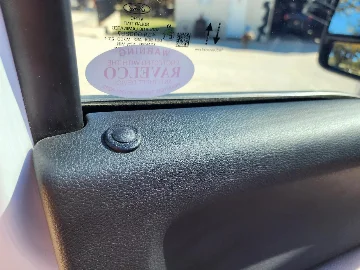
- The “snorkel” opening under the hood (where our AirGuard installs) isn’t a true ram-air feed. When the hood is closed, that opening sits directly behind the hood liner and doesn’t receive significant direct airflow.
- The primary intake source for the airbox is actually the large duct that faces the front grille area. That path provides the majority of the intake charge, particularly under load when airflow increases.
View attachment 231725
- Because of this, the smaller upper opening primarily allows supplemental or pressure-balance airflow, rather than being the dominant source for intake volume.
In terms of restriction — our
open-design AirGuard model (without the filter) has a large hex pattern with high open area, so the pressure drop across it is negligible in practical terms. For the
filtered version, the washable foam we use is roughly 5/16" thick and designed to catch large debris (tools, bugs, leaves, etc.) — as well as a fine particulate filter. It’s similar in flow characteristics to pre-filters used in off-road or HVAC applications, so it still allows plenty of air through while preventing large objects from entering the airbox.
In other words, even with the foam in place, the
total intake cross-section (including the main grille duct) remains well above what’s needed for the engine’s airflow demand. The foam adds a minimal restriction — especially compared to the total system flow capacity.
That said, real-world testing feedback has been extremely positive — no changes to drivability, throttle response, or MPG reported — and we’ll continue to refine and validate with more data as we expand testing.


because the oil pressure doesn't give a number. My OCD can't have the dash display lopsided like that




 strike 1


 .