I work on these trucks all day. Changing my battery is the first thing I did the Ford batteries suck and corrode. The battery I went with is the X2Power over 2 years ago. I made no changes to the computer and everting is good.
Follow along with the video below to see how to install our site as a web app on your home screen.
Note: This feature may not be available in some browsers.

It gets complicated trying to explain it, there is an answer, just not one many go into. Flooded batteries and AGM batteries, have a different float value and a peak charge value. Flooded batteries try to maintain a 10% charge rate to avoid boiling or fluid leakage, plus it has a hydrogen discharge which is a different story all together. The charge rate for AGM is ideal at 15% to reach its maximum peak charge rate of 14.7V. If the charge rate is too low, the AGM may not come up to full capacity. (More on this later) These numbers are dictated by the structural makeup of the two different batteries. The chemistry is essentially the same. So here is where it gets ugly.No one seems to have an answer to this question and I have been uncertain as to what to do since getting new AGMs last week.
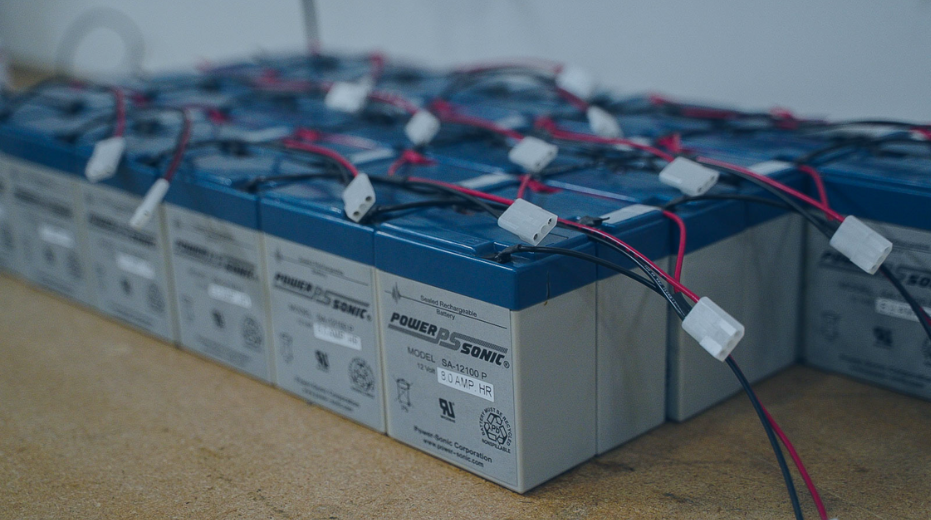
 www.power-sonic.com


I'd research this carefully. All batteries are not created equal. I'm not sure who makes them for Walmart, but some have issues.Anyone try the walmart agm batteries?
https://www.walmart.com/ip/EverStar...2?classType=REGULAR&athbdg=L1103&from=/search
4 year free replacement, not sure who is making these for walmart.

 www.slashgear.com

I put two of these in my previous pickup but I didnt have the truck for more than 9 months and sold it.Anyone try the walmart agm batteries?
https://www.walmart.com/ip/EverStar...2?classType=REGULAR&athbdg=L1103&from=/search
4 year free replacement, not sure who is making these for walmart.


So in short, to change the charge settings through Forscan or leave as is?It gets complicated trying to explain it, there is an answer, just not one many go into. Flooded batteries and AGM batteries, have a different float value and a peak charge value. Flooded batteries try to maintain a 10% charge rate to avoid boiling or fluid leakage, plus it has a hydrogen discharge which is a different story all together. The charge rate for AGM is ideal at 15% to reach its maximum peak charge rate of 14.7V. If the charge rate is too low, the AGM may not come up to full capacity. (More on this later) These numbers are dictated by the structural makeup of the two different batteries. The chemistry is essentially the same. So here is where it gets ugly.
The alternator runs about 14.2 to 14.5 volts, which is ideal for the Flooded battery, charging at a 10% rate, but slightly less than ideal, for max charge rate of 14.7 for the AGM. This does not mean that the AGM battery cannot be fully "charged", (replenished) by the alternator. Rather, the charge rate will taper off as it approaches max FLOAT voltage. But it is still higher than the float voltage, therefore charging, albeit not at the max rate. If you run your truck for short periods of time without fully charging the battery, (AGM) it can over time, lose capacity.
If you think of a trickle charger, it slowly brings a battery up to full capacity over a long period of time. (Hours) But it still will be fully charged. You don't have to charge the AGM at the max rate of 15%, but it will take longer to recover after a heavy use. This is why most people never notice a difference in their charge rate vs. reliability to start after installing the AGM. It still works.
The link that @henry5six sent explains this quite well. The alternator is not intended as a "charger", it's to replenish the loss used to start the vehicle at a 10% charge rate, less than ideal for the AGM. It also somewhat explains why batteries that don't get charged routinely seem to go bad faster. A flooded battery will sulfate if it loses charge and not recharged soon after a heavy load.
The ideal setup for this would be to have an on-board battery maintainer (such as the Noco) and plug it in periodically to fully charge the AGM. When I see the Forscan changes, I really don't understand what the changes do. If they do anything, the charge rate may be increased to give the charge system that .2 volt increase to allow a max charge rate for AGM. But if you run for a long time, the AGM will eventually charge anyway.
Side note: I think every boat owner out there realizes that the motor will "charge" the battery while running, but as soon as you're done for the day, you plug in your battery charger/maintainer to bring it back to full capacity because the alternator can't fully recharge the starting battery. Flooded or AGM. In addition, the battery gets drained by the computer, just like in the trucks. So, an onboard charger (or external) is required to maintain the battery.
More reading for those interested:
Flooded Batteries vs. AGM Batteries: Understanding the Differences
Compare flooded and AGM batteries to choose the best option for performance and reliability. Take control of your energy use with smart storage solutions.
It almost sounds like it would be best to have an onboard maintainer and plug it in after short trips or one night just to top everything offSo in short, to change the charge settings through Forscan or leave as is?
Seem neither do quite exactly what AGM needs, if I understand your post correctly.
I should have mentioned that I don't do short trips. If anything, my engine does not shut off throughout the day from the time it gets started in the morning. I think I am safe in that regard.It almost sounds like it would be best to have an onboard maintainer and plug it in after short trips or one night just to top everything off
Most definitelyI should have mentioned that I don't do short trips. If anything, my engine does not shut off throughout the day from the time it gets started in the morning. I think I am safe in that regard.
I installed AGM batteries in my 22, they are always charged because I use a trickle charger to keep them up. (Noco 5A model) Even if I didn't have the Noco on it, it still maintains a voltage of about 12.7 volts after sitting for a while. You don't need to change anything if you run your truck for a while after starting and don't leave it idle (not running) for several days in a row. (Like I do.)So in short, to change the charge settings through Forscan or leave as is?
Seem neither do quite exactly what AGM needs, if I understand your post correctly.
IMO, with you having a diesel... i think as long as you run it for a while after you use your inverter setup/winch/any large electric load... you should charge it enough to maintain them just fine.I should have mentioned that I don't do short trips. If anything, my engine does not shut off throughout the day from the time it gets started in the morning. I think I am safe in that regard.