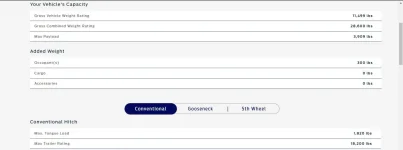
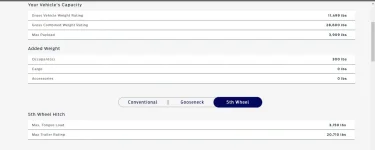
8,000-10,000 pound max trailer weight, not GVWR. Though GVWR is the safest number to use as it means you can max out the trailer without overloading the truck.
But yep, that's the max using manufacturer numbers. To actually utilize the goose neck/fifth wheel towing capacity, especially in a 250, you need to be running an essentially empty truck with only a driver and pin weight. Great for tradespeople, not so much for families with an RV.
(Lots of tradespeople run 250's to maximize trailer weight without needing a CDL.)
I will add there's variability in the percentage of trailer weight as pin weight, but it's often not as simple as looking up the pin weight on the spec sheet. That's often taken by the manufacturer with a totally empty trailer - no batteries, fresh water, supplies, etc. The proportion may stay the same as the trailer is loaded up, but may not.
It's worth noting for Tremors (and only Tremors) that the 250 and 350 are mechanically identical. As such, from a mechanical standpoint you can use the payload of the 350 and jump up considerably in trailer weight.
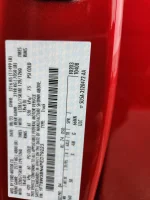
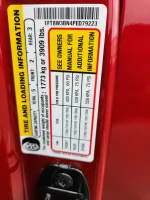
The risk is liability. Regardless of the mechanics of the truck, the door sticker says what the truck is capable of legally. If you get into an accident and are overweight according to the sticker, that might be able to be used against you (not a lawyer). I can't point to a case where this happened, but insurance companies will do whatever they can to get out of paying for something.
I'm not personally comfortable with that liability, so I went for an F-350 to have more payload on the sticker. But each person needs to weigh that risk themselves.
What I don't understand is from the table the max 250 tow rating is 18,100 and max gcwr is 19200. Its mathmatically impossible to get to 18,100 when a payload capacity is ~2700. Something isn't making sense. Is the 2700 a limitation due to the tires?