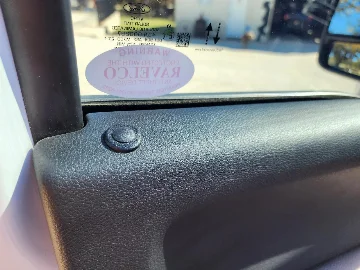
I do exercise my hubs every wash and oil change.
Follow along with the video below to see how to install our site as a web app on your home screen.
Note: This feature may not be available in some browsers.

Buy a 150 or Expedition and have issued with the vacuum system...one of the reason I went 250 instead of 150...spent 6 hrs one afternoon digging my expy out on the beach...damn vacuum line connection failed no 4WD...I often wondered why we even have hubs, and I guess it’s because the vacuum line can fail. When I asked the dealer they didn’t know.

I generally lock and unlock the hubs once a month. I also engage 4x4 once a month if needed or not for the purpose you mentioned. I have had a vacuum failure in the auto hubs which was repaired under warranty. In fact, ALL Ford trucks I've had in the last 15 years have experienced vacuum failures in the 4x4 system.I remember hearing that we should lock and unlock the front hubs at intervals similar, or aliening with each oil change just to remember to do it. The purpose is to keep the hubs from building up corrosion. I have been doing this, but otherwise I just hit the button in the truck - which got me thinking. How many of you are doing this as PM - or using the manual twist frequently?

Long ago on a 92 Ranger I owned, the OEM hubs gave up the ghost at around 90 or 100k. I replaced them with manual Warn hubs which performed flawlessly. In the Winter I just left them engaged when necessary and cycled 4wd via the transfer case using the dash button... With our Winters that really only meant several days at a time depending on the forecast. In the Summer if I needed it I would know in advance - boat ramp, trails, etc. it turned out to be really no issue at all.but I’ll have to pop out of the truck in a snowstorm to achieve 4x4 by locking in?

They’re also vacuum actuated in your 250. Hence why @Vermonster is asking if its important to cycle them to the lock position occasionally, for when you need it, it will work. Everyone wants to avoid replacing them when you can take literally one second per side to simply exercise them every month or so.Buy a 150 or Expedition and have issued with the vacuum system...one of the reason I went 250 instead of 150...spent 6 hrs one afternoon digging my expy out on the beach...damn vacuum line connection failed no 4WD...
Correct but you have a manual override option...no option on the F150/expys with the IWEs...I guarantee I can tear a hub apart and get locked in quicker than I can dig the truck out...I have options now...They’re also vacuum actuated in your 250. Hence why @Vermonster is asking if its important to cycle them to the lock position occasionally, for when you need it, it will work. Everyone wants to avoid replacing them when you can take literally one second per side to simply exercise them every month or so.

I stated this in my post #18Correct but you have a manual override option...no option on the F150/expys with the IWEs...I guarantee I can tear a hub apart and get locked in quicker than I can dig the truck out...I have options now...


It's true. We used to always joke that you have to lock them in when you think you will need them, rather than when you need them. I have had some issues with mine before when I need to roll forward before locking in - but now that I remember that's a thing, I just push the button before I know I need it. I think there is some level of pride being able to make it in 2WD that I struggle with.I don't but I do engage 4wd once or twice a month so the hubs are getting cycled. I remember when they went out on my 05 powerstroke, i would run them locked and engage/disengage via ESOF as needed during times of inclement weather. Def rule of thumb though is get locked in before you need them as they may not fully engage without a full rotation (or at least that was always the rule with the earlier powerstrokes).
I've been stuck needing to roll to get them to lock in, could watch the front drive shaft turn but not power being dropped, as soon as I had someone pull me forward enough to get the hubs to engage they all lit up flinging mud lol.It's true. We used to always joke that you have to lock them in when you think you will need them, rather than when you need them. I have had some issues with mine before when I need to roll forward before locking in - but now that I remember that's a thing, I just push the button before I know I need it. I think there is some level of pride being able to make it in 2WD that I struggle with.

1 hour minimum billed shop labor, and definitely not more than 2. Labor rates vary by state greatly.Anyone have an idea how much it would generally cost in labor to replace OEM with Warn?

You’re fine.So, When I picked my truck up new at the dealer I saw the manual hub locks and thought they were fake, (my Nissan Titan didn't have manual hubs). After driving it for a week I told my buddy it sounded like something was rubbing when I turned hard. Turns out one of the hubs was manually locked in and I'd been dragging it for a week without knowing it. Don't figure it's too good on the truck to drag one front hub at freeway speeds for a week? So far no issues since. I think nothing was hurt but my pride!
I paid $500 to get mine installed, parts and labor.1 hour minimum billed shop labor, and definitely not more than 2. Labor rates vary by state greatly.

I manually lock mine every time I grease the front axle u-joints (every ~5k miles/ when I change the oil) and then drive around for a day or two with them locked to make sure the new grease works its way into the u-joints and to get the ring/pinion gear running through some oil (sometimes longer if I forget to unlock them). Not sure if that's frequent enough to really help, but so far no issues with the 4x4 system after ~63k miles.I remember hearing that we should lock and unlock the front hubs at intervals similar, or aliening with each oil change just to remember to do it. The purpose is to keep the hubs from building up corrosion. I have been doing this, but otherwise I just hit the button in the truck - which got me thinking. How many of you are doing this as PM - or using the manual twist frequently?

The ESOF/automatic position on the hub is a convenience feature, not having to get out of the cab to engage 4x4. The manual position on the hub is basically an override if the vacuum system ever fails, or if you know in advance you'll be in environments that require 4x4, just manually engage it so you know you're in 4x4 before you even get to a hairy situation.Thanks for the pricing info, BTW, without sounding totally ignorant, what exactly is the purpose of the Super Duty having automatic (electronic) locking hubs and manual ones? I’ve always had manual ones on previous trucks, but I can’t seem to find any information that actually explains why we have both on our SD’s. If someone can answer this I’ll at least be a bit smarter for having asked. Thanks.
The auto locking hubs allow the engagement of 4wd from the cab using a vacuum system to lock the front hubs. The manual switch is an override to the vacuum system in case of failure.what exactly is the purpose of the Super Duty having automatic (electronic) locking hubs and manual ones?